• Home
  • About
  • Blog
  • Policy
  • Contact

Chery LJ Acob Portraits

Washington DC Photographer - Photographer's Edge

  • Home
  • About
  • Blog
  • Policy
  • Contact

Unlock the Best Free Music: Top Sources for Discovering Amazing Tracks

August 28, 2024 By info

In today’s digital age, music enthusiasts have unprecedented access to a vast array of free music options. From streaming platforms to independent artist websites, the landscape of free music has expanded exponentially, offering listeners a chance to discover new sounds without breaking the bank.

While the abundance of choices can be overwhelming, discerning music lovers are constantly on the lookout for the cream of the crop. This article delves into the world of free music, exploring the top platforms, hidden gems, and innovative ways to uncover exceptional tracks across various genres. We’ll guide you through the maze of options, helping you find the best of the best in free music without compromising on quality or legality.

Understanding Free Music Options

Free music comes in various forms, each with its own set of rights and usage restrictions. Understanding these options can help listeners and creators alike navigate the world of free music more effectively.

Creative Commons Music

Creative Commons music refers to tracks released under Creative Commons licenses, which allow creators to retain copyright while permitting others to use their work under specific conditions. These licenses range from allowing only non-commercial use to permitting unlimited use and modification. Creative Commons music provides a vast pool of freely available tracks across genres, enabling users to discover and use music legally while supporting independent artists.

Royalty-Free Music

Royalty-free music offers a cost-effective solution for content creators and businesses seeking background music for their projects. Unlike traditional licensing models, royalty-free music allows users to pay a one-time fee for unlimited use of a track, eliminating the need for ongoing royalty payments. Many platforms offer royalty-free music libraries, with some providing subscription-based access to extensive collections. This option is particularly popular among YouTubers, podcasters, and small businesses looking for high-quality audio without recurring costs.

Public Domain Music

Public domain music consists of works whose copyright has expired or those intentionally released into the public domain by their creators. This category includes classical compositions, folk songs, and early recordings that are no longer protected by copyright law. Public domain music can be freely used, modified, and distributed without any legal restrictions, making it an invaluable resource for musicians, filmmakers, and other creatives. However, users should be cautious to verify the public domain status of a work, as copyright laws vary by country and can be complex.

Top Free Music Platforms

The digital age has ushered in a wealth of platforms offering free music for various purposes. These platforms provide access to a diverse range of tracks while ensuring legal compliance and supporting artists. Here are some of the most popular and reliable free music platforms:

YouTube Audio Library

YouTube Audio Library stands out as a premier destination for content creators seeking royalty-free music. This platform offers a vast collection of high-quality tracks across multiple genres, all available for free use in YouTube videos and other projects. Users can easily filter songs by mood, genre, instrument, and duration, making it simple to find the perfect soundtrack for their content. The library is regularly updated with new tracks, ensuring a fresh selection for creators.

Free Music Archive

The Free Music Archive (FMA) is a collaborative database of high-quality, legal audio downloads. Founded by the radio station WFMU, FMA provides a rich variety of music under Creative Commons and other licenses that allow for free use. The platform features an extensive collection of tracks from independent artists and labels, spanning numerous genres from classical to experimental. FMA’s user-friendly interface and detailed licensing information make it an invaluable resource for podcasters, filmmakers, and other content creators seeking royalty-free music options.

SoundCloud

SoundCloud has become a cornerstone of the online music community, offering a platform for both established and emerging artists to share their work. While not all tracks on SoundCloud are free to use, many artists do offer their music under Creative Commons licenses. The platform’s vast user base and diverse catalog make it an excellent source for discovering unique, free-to-use tracks. SoundCloud’s advanced search features allow users to filter for tracks with specific licenses, making it easier to find royalty-free music suitable for various projects.

Features to Look for in Free Music Services

When exploring free music services, it’s essential to consider several key features that can enhance your listening experience and ensure you’re getting the best value. Here are some crucial aspects to keep in mind:

Music Quality

High-quality audio is paramount for an enjoyable listening experience. Look for services that offer:

  • Streaming bitrates of at least 256 kbps for standard quality
  • Options for higher bitrates (320 kbps or lossless) for audiophiles
  • Consistent audio levels across tracks and albums
  • Well-mastered tracks without distortion or artifacts

Many free music services, including those offering royalty free music, prioritize audio quality to compete with paid platforms. Users should check the audio specifications of each service to ensure it meets their standards.

Licensing Terms

Understanding the licensing terms is crucial, especially for content creators. When evaluating free music services:

  • Look for clear explanations of usage rights
  • Check for Creative Commons licenses or similar permissions
  • Verify if attribution is required and how to properly credit artists
  • Ensure the music can be used for your intended purpose (personal, commercial, etc.)

For those seeking royalty free music, it’s important to read the fine print and understand any potential limitations or requirements for use in various projects.

Genre Variety

A diverse selection of genres can cater to different moods and preferences. Consider services that offer:

  • A wide range of musical styles, from classical to contemporary
  • Niche genres and subgenres for specific tastes
  • Curated playlists for easy discovery
  • Regular updates with new tracks and artists

The best free music services provide a rich tapestry of musical options, ensuring there’s something for everyone, whether for personal enjoyment or for use in creative projects.

How to Use Free Music Legally

Using free music legally requires understanding and adhering to specific guidelines. This section explores the key aspects of proper attribution and usage rights to ensure compliance when utilizing free music resources.

Proper Attribution

Proper attribution is crucial when using free music particularly royalty-free music. It involves giving credit to the original creator of the music track. Here’s how to do it correctly:

  • Include the artist’s name and song title in your project credits
  • Provide a link to the source where you obtained the music
  • Follow any specific attribution requirements stated by the platform or artist
  • If using the music in a video place the attribution in the description or end credits
  • For written content add the attribution near where the music is mentioned or in a dedicated credits section

By giving proper credit users not only comply with legal requirements but also support and respect the artists who create free music.

Understanding Usage Rights

Understanding usage rights is essential to avoid copyright infringement when using free music. Here are key points to consider:

  • Read the license agreement carefully for each track
  • Check if the music can be used for commercial purposes
  • Verify if modifications or remixes are allowed
  • Ensure the music can be used on your intended platform (e.g. YouTube Twitch etc.)
  • Be aware of any time limitations or restrictions on the number of uses
  • Look for any requirements regarding royalty payments or revenue sharing

Some platforms like YouTube Audio Library offer clear usage rights information for each track. Others may require more research to determine the exact terms. When in doubt it’s always best to contact the artist or platform directly for clarification.

By understanding and respecting usage rights users can confidently incorporate free music into their projects while staying within legal boundaries.

Best Practices for Discovering Free Music

To uncover the best free music available, it’s essential to employ effective search strategies and explore diverse platforms. These practices can help music enthusiasts and content creators find high-quality tracks that suit their needs while staying within legal boundaries.

Using Advanced Search Techniques

When searching for free music, utilizing advanced search techniques can significantly improve results. Users should leverage specific keywords, filters, and operators to narrow down their searches. For instance, combining genre names with terms like “royalty free music” can yield more targeted results. Many platforms offer advanced search features, allowing users to filter by mood, instrument, or tempo. Additionally, using quotation marks for exact phrase matches and Boolean operators (AND, OR, NOT) can refine searches further. It’s also beneficial to explore curated playlists or collections within free music platforms, as these often showcase high-quality tracks that might otherwise be overlooked.

Exploring Niche Platforms

While popular platforms like YouTube Audio Library and SoundCloud are excellent starting points, exploring niche platforms can uncover unique and lesser-known tracks. Specialized platforms often cater to specific genres, moods, or use cases, providing a more focused selection of free music. For example, game developers might find platforms dedicated to chiptune or 8-bit music, while meditation app creators could explore sites specializing in ambient soundscapes. Some niche platforms also offer royalty-free music with specific licensing terms that may be more suitable for certain projects. By diversifying their search across various platforms, users can discover a wider range of high-quality free music options and potentially find the perfect track for their needs.

Pros and Cons of Free Music Resources

Free music resources offer both advantages and drawbacks for content creators and music enthusiasts. Understanding these can help users make informed decisions about incorporating free music into their projects.

Advantages

  • Cost-effective: Free music eliminates licensing fees making it ideal for budget-conscious creators.
  • Diverse selection: Platforms like YouTube Audio Library and Free Music Archive offer a wide range of genres and styles.
  • Legal compliance: Many free music resources provide clear licensing terms ensuring proper usage rights.
  • Accessibility: Users can easily search and download tracks from various online platforms.
  • Creative freedom: Royalty-free music allows for unrestricted use in multiple projects without additional payments.
  • Community support: Some platforms foster collaboration between artists and users encouraging musical innovation.
  • Regular updates: Many free music libraries continuously add new tracks keeping content fresh.
  • Quality concerns: Some free music may not match the production value of premium royalty-free music tracks.
  • Limited exclusivity: Popular free tracks might be overused reducing uniqueness in projects.
  • Restricted usage: Certain free music may have limitations on commercial use or require attribution.
  • Time-consuming searches: Finding the perfect track among vast free libraries can be time-intensive.
  • Lack of customization: Unlike commissioned music free tracks cannot be tailored to specific project needs.
  • Potential copyright issues: Misunderstanding licensing terms could lead to unintentional copyright infringement.
  • Inconsistent metadata: Some free music lacks proper tagging making organization and searching challenging.

Comparison: Free vs. Paid Music Services

When considering music options for projects, creators often find themselves weighing the benefits of free music services against paid alternatives. This comparison helps illuminate the key differences between these two approaches.

Cost and Accessibility

Free music services, including platforms offering royalty-free music, provide immediate access without financial commitment. Users can explore vast libraries of tracks without upfront costs, making them attractive for budget-conscious creators. In contrast, paid services often require subscriptions or per-track fees, which can add up quickly for extensive projects.

Quality and Production Value

While free music services have improved significantly, paid options generally offer higher production value and professional-grade tracks. Paid services often feature music composed by established artists and producers, recorded in professional studios. However, some free platforms now offer surprisingly high-quality tracks, narrowing this gap.

Licensing and Usage Rights

Free music services typically come with more restrictions on usage. Many require attribution or limit use to personal projects. Paid services, on the other hand, often provide more comprehensive licensing options, allowing for commercial use without attribution. This can be crucial for professional content creators who need flexibility in their music choices.

Selection and Variety

Paid services usually boast larger libraries with a wider range of genres, styles, and moods. They often include exclusive tracks and the latest music trends. Free services, while more limited, can still offer impressive variety, especially platforms specializing in specific genres or moods.

Search and Discovery Features

Premium music services often include advanced search algorithms, curated playlists, and AI-powered recommendations to help users find the perfect track quickly. Free services may have more basic search functions, requiring users to invest more time in finding suitable music.

Updates and New Content

Paid platforms typically update their libraries more frequently with new releases and exclusive content. Free services may update less regularly, though popular platforms still strive to add fresh content to keep users engaged.

Customer Support and Tools

Premium services often provide additional tools like stem separation, customization options, and professional editing features. They also tend to offer more robust customer support. Free services usually have limited support options and fewer advanced features.

Monetization Potential

For content creators looking to monetize their work, paid music services often offer clearer paths for commercial use. Some even provide revenue-sharing models for popular tracks. Free services may have more complex monetization rules, potentially limiting earning potential for creators.

By carefully considering these factors, creators can determine whether free music services or paid options better suit their specific needs and project requirements.

Tips for Incorporating Free Music in Projects

Integrating free music into various projects can enhance their overall impact and appeal. Here are some tips for effectively using free music in different contexts:

Video Production

When incorporating free music into video projects creators should:

  • Choose tracks that match the mood and pace of the visuals
  • Pay attention to audio levels ensuring music doesn’t overpower dialogue or sound effects
  • Use royalty-free music to avoid copyright issues especially for commercial projects
  • Consider using different tracks for various sections of the video to maintain viewer interest
  • Fade music in and out smoothly to create seamless transitions between scenes

Podcasting

For podcasters looking to enhance their audio content with free music:

  • Select intro and outro music that reflects the podcast’s theme and tone
  • Use short musical interludes to break up segments or introduce new topics
  • Ensure music volume is lower than spoken content for clarity
  • Opt for instrumentals to avoid lyrics competing with the host’s voice
  • Maintain consistency by using the same tracks across multiple episodes for brand recognition

Personal Use

Individuals incorporating free music into personal projects should:

  • Explore various genres to find music that suits their taste and project needs
  • Create playlists for different activities or moods using free music platforms
  • Utilize free music for personal videos slideshows or social media content
  • Experiment with mixing different tracks to create unique soundscapes
  • Always check licensing terms even for personal use to ensure compliance

When searching for free music creators can explore platforms offering royalty-free music which provides a wide range of high-quality tracks for various projects. While paid services like those accessible through Shutterstock Coupons or iStock Promo Codes offer premium options free music sources can still provide excellent alternatives for many personal and professional needs.

Conclusion: Maximizing Free Music Resources

Free music resources offer a wealth of opportunities for creators and listeners alike. By understanding licensing terms and exploring diverse platforms, users can access high-quality tracks for various projects without breaking the bank. Whether for video production, podcasting, or personal enjoyment, free music provides a valuable alternative to paid services. With careful selection and thoughtful implementation, these resources can enhance creative endeavors and enrich the auditory experience. As the digital landscape evolves, free music continues to play a crucial role in democratizing access to quality audio content for all.


Filed Under: iStockphoto, Shutterstock, Stock Photo for Business

How to Check if Music is Truly Royalty-Free: A Complete Guide

August 20, 2024 By info

As a content creator, I know the importance of using the right music in my projects. But navigating the world of royalty-free music can be tricky. How can you be sure that the track you’ve found won’t land you in legal hot water?

I’ve spent years learning the ins and outs of copyright law and music licensing. In this article, I’ll share my expertise on how to determine if a piece of music is truly royalty-free. We’ll explore the key indicators to look for and the common pitfalls to avoid. Whether you’re a YouTuber, podcaster, or filmmaker, understanding these concepts will help you confidently choose music for your creative endeavors.

Understanding Royalty-Free Music

Royalty-free music offers content creators a legal way to use music in their projects without ongoing payments. To know if music is royalty free, I recommend following these steps:

  1. Check the license terms
  • Read the full license agreement
  • Look for usage restrictions (commercial, non-commercial, attribution requirements)
  • Verify if there are any time limitations or geographic restrictions
  1. Identify the source
  • Use reputable royalty-free music platforms (e.g., Soundscape, AudioJungle, Epidemic Sound)
  • Avoid using music from unknown or questionable sources
  • Be cautious of “free” music on platforms like YouTube or SoundCloud
  1. Understand different license types
  • Standard royalty-free license: One-time payment for unlimited use
  • Extended license: Additional rights for specific use cases
  • Subscription-based license: Access to a library of tracks for a recurring fee
  1. Verify the copyright status
  • Ensure the music is not copyrighted by major record labels
  • Check if the artist has exclusive rights to license their music
  • Look for clear statements about the music’s royalty-free status
  1. Document your license
  • Keep records of your purchases and license agreements
  • Save receipts and confirmation emails
  • Store digital copies of licenses in a secure location

By following these steps, I can confidently determine if a piece of music is truly royalty-free and suitable for use in my content creation projects.

How to Identify Royalty-Free Music

Identifying royalty-free music requires a systematic approach to ensure legal compliance and avoid copyright issues. Here are three key methods to determine if music is royalty-free:

Check the Public Domain

Public domain music is free from copyright restrictions and available for use without royalties. To identify public domain music:

  • Verify the copyright expiration date
  • Check if the music was created before 1926 in the United States
  • Confirm the music’s status in your specific country, as copyright laws vary
  • Search public domain music databases like Musopen or the Free Music Archive

Look for Creative Commons Licenses

Creative Commons licenses allow creators to share their work under specific conditions. To identify Creative Commons licensed music:

  • Visit platforms like SoundCloud or Jamendo that host CC-licensed tracks
  • Look for the Creative Commons logo or license information on the music page
  • Read the license terms carefully to understand usage rights and attribution requirements
  • Use CC Search tools to find music with specific license types

Examine Royalty-Free Music Platforms

Specialized platforms offer curated collections of royalty-free music. To identify royalty-free music on these platforms:

  • Browse reputable sites like Epidemic Sound, AudioJungle, or PremiumBeat
  • Read the licensing terms for each track carefully
  • Look for clear statements about royalty-free status and usage rights
  • Check for any additional fees or subscription requirements

Understanding how to know if music is royalty free is crucial for content creators. Always verify the license terms and keep records of your music sources to ensure compliance with copyright laws.

Tools for Verifying Music Copyright Status

To ensure compliance with copyright laws, I use several tools to verify the copyright status of music tracks. These tools provide valuable information about ownership and licensing.

Online Copyright Databases

Online copyright databases serve as comprehensive repositories of copyright information. I rely on these databases to check the registration status and ownership details of musical works:

  • U.S. Copyright Office Public Catalog: This database contains records of all copyright registrations in the United States since 1978.
  • ASCAP Repertory: The American Society of Composers, Authors, and Publishers (ASCAP) maintains a searchable database of songs and composers.
  • BMI Repertoire: Broadcast Music, Inc. (BMI) offers a similar database for works registered with their organization.
  • CISAC’s International Database: The International Confederation of Societies of Authors and Composers (CISAC) provides a global database of musical works.

When using these databases, I enter the song title, artist name, or other relevant details to retrieve copyright information. This process helps me determine if a piece of music is in the public domain or still under copyright protection.

Music Recognition Apps

Music recognition apps utilize audio fingerprinting technology to identify songs and provide copyright information. These apps are particularly useful when I need to know if music is royalty free:

  • Shazam: This popular app identifies songs by listening to a short audio clip and provides information about the artist and track.
  • SoundHound: Similar to Shazam, SoundHound offers music recognition and can even identify songs by humming or singing.
  • ACRCloud: This service provides a music recognition API that can be integrated into other applications for copyright verification.
  • Musixmatch: In addition to lyrics, this app offers music recognition features and copyright information.

I use these apps to quickly identify unknown tracks and access basic copyright details. However, for more comprehensive information, I combine the results from these apps with data from online copyright databases to ensure accuracy.

Checking Music Copyright on Popular Platforms

Popular social media and streaming platforms have their own systems for managing music copyright. Understanding these systems helps content creators avoid copyright infringement issues.

YouTube

YouTube employs Content ID, an automated system that scans uploaded videos for copyrighted content. When I upload a video:

  • Content ID compares my video’s audio against a database of copyrighted music
  • If a match is found, the copyright owner can choose to block, monetize, or track the video
  • YouTube notifies me of any copyright claims through my Creator Studio
  • I can dispute claims if I have the necessary rights or if the use falls under fair use

To preemptively check for potential copyright issues, I use YouTube’s Audio Library. This tool allows me to:

  • Search for royalty-free music provided by YouTube
  • Check the copyright status of specific tracks I plan to use
  • Understand any attribution requirements for royalty-free tracks

Instagram and Facebook

Meta platforms use a system called Rights Manager to handle copyright issues. When using music on these platforms:

  • I ensure my music use complies with Instagram and Facebook’s music guidelines
  • For longer videos, I utilize the Sound Collection in Creator Studio
  • This collection offers royalty-free tracks for use in my content
  • I check the licensing terms for each track to understand usage restrictions

Both platforms provide in-app music libraries for Stories and Reels. These libraries contain:

  • Popular tracks cleared for use on the platform
  • Royalty-free music options
  • Clear labeling of usage rights and restrictions

SoundCloud and Spotify

SoundCloud and Spotify handle copyright differently due to their focus on music streaming. To how to know if music is royalty free on these platforms:

SoundCloud:

  • I check the licensing information on each track’s page
  • Look for tracks labeled as “Creative Commons” or “Free Download”
  • Read the specific license terms to understand usage rights

Spotify:

  • Spotify primarily hosts copyrighted music
  • I use Spotify for Artists to upload my own original music
  • For podcasts, I utilize Spotify’s podcast music library, which offers royalty-free tracks
  • Search for playlists specifically curated for royalty-free music
  • Contact artists directly through their profile pages to inquire about licensing
  • Use third-party services that integrate with these platforms to find cleared music

Common Misconceptions About Royalty-Free Music

When learning how to know if music is royalty free, it’s crucial to address common misconceptions that can lead to copyright infringement. Here are five prevalent misunderstandings about royalty-free music:

  1. Royalty-free means completely free
    Royalty-free doesn’t equate to cost-free. I often encounter creators who believe they can use royalty-free music without any payment. In reality, royalty-free typically involves a one-time fee for a license, eliminating the need for ongoing royalties.
  2. All YouTube music is royalty-free
    Many assume that any music found on YouTube is available for free use. This misconception can result in copyright strikes. YouTube’s Content ID system detects unauthorized use of copyrighted music, even in short clips.
  3. Crediting the artist is enough
    Simply crediting the original artist doesn’t grant permission to use their music. While attribution is important, it doesn’t replace proper licensing or permission from the copyright holder.
  4. Royalty-free music has no restrictions
    Royalty-free licenses often come with specific terms and conditions. These may include limitations on the type of project, distribution channels, or duration of use. I always recommend thoroughly reading the license agreement.
  5. Changing the music slightly avoids copyright
    Altering a copyrighted track by changing pitch, tempo, or adding effects doesn’t circumvent copyright laws. These modifications are still considered derivative works and require permission from the original copyright holder.

Understanding these misconceptions is crucial in navigating the complexities of royalty-free music. I advise creators to always verify the licensing terms and seek proper permissions to ensure legal compliance in their projects.

Legal Considerations When Using Royalty-Free Music

Understanding legal considerations is crucial when using royalty-free music. Here are key aspects to consider:

  1. License Terms
  • Read the license agreement thoroughly
  • Identify usage restrictions (commercial, non-commercial, territorial)
  • Check duration of the license (perpetual or time-limited)
  1. Attribution Requirements
  • Determine if credit to the artist or source is necessary
  • Follow specific attribution guidelines provided
  1. Modification Rights
  • Verify if alterations to the music are permitted
  • Understand limitations on remixing or editing
  1. Indemnification Clauses
  • Check if the license includes protection against copyright claims
  • Understand your liability in case of disputes
  1. Proof of License
  • Keep records of your license purchase
  • Document the source and date of acquisition
  1. Usage Tracking
  • Maintain logs of where and how you use the music
  • This helps in case of audits or legal challenges
  1. Platform-Specific Rules
  • Different platforms may have unique requirements
  • Ensure compliance with each platform’s terms of service
  1. Geographic Restrictions
  • Some licenses may be limited to specific regions
  • Verify if your intended use aligns with geographic limitations
  1. Sublicensing Restrictions
  • Understand if you can transfer or resell the license
  • Know the limitations on sharing the music with others
  1. Updates and Renewals
  • Stay informed about changes in license terms
  • Renew licenses if required for continued use

To further explore how to know if music is royalty free, consult legal professionals or music licensing experts for complex situations.

Alternatives to Royalty-Free Music

Exploring alternatives to royalty-free music provides creators with additional options for incorporating music into their projects. Here are two popular alternatives:

Commissioning Original Music

Commissioning original music offers unique benefits for projects:

  • Full ownership: I acquire complete rights to the music, eliminating copyright concerns.
  • Customization: The composer tailors the music to my project’s specific needs and vision.
  • Exclusivity: The music is unique to my project, setting it apart from others.
  • Direct communication: I work closely with the composer, ensuring the music aligns with my project goals.
  • Potential cost-effectiveness: For long-term or high-profile projects, commissioning can be more economical than licensing multiple tracks.

Using Music Libraries

Music libraries provide a vast collection of pre-recorded tracks:

  • Extensive selection: I access a wide range of genres, styles, and moods to suit various projects.
  • Quality assurance: Professional composers and musicians create the tracks, ensuring high-quality audio.
  • Flexible licensing: Many libraries offer different licensing options to fit various budget and usage requirements.
  • Time-saving: I quickly find suitable tracks without the need for custom composition.
  • Regular updates: Libraries frequently add new tracks, providing fresh options for ongoing projects.

When considering how to know if music is royalty free, music libraries often provide clear licensing information for each track, simplifying the selection process.

Troubleshooting Copyright Issues

When navigating the complexities of how to know if music is royalty free, copyright issues can arise. I’ve outlined key steps to troubleshoot these problems effectively:

  1. Verify the License:
  • Double-check the license terms
  • Ensure compliance with usage restrictions
  • Confirm the license’s validity period
  1. Document Everything:
  • Keep records of purchases and licenses
  • Save confirmation emails and receipts
  • Screenshot or download license agreements
  1. Contact the Source:
  • Reach out to the music provider for clarification
  • Ask specific questions about usage rights
  • Request written confirmation of permissions
  1. Use Content ID Systems:
  • Submit proof of license to content ID systems
  • Dispute false copyright claims with evidence
  • Keep track of claim resolution processes
  1. Seek Legal Advice:
  • Consult a copyright attorney for complex issues
  • Get professional opinions on ambiguous terms
  • Prepare for potential legal challenges
  1. Stay Updated:
  • Monitor changes in copyright laws
  • Keep abreast of platform-specific policy updates
  • Adjust usage based on new regulations

By following these steps, I can effectively troubleshoot copyright issues related to royalty-free music use. This proactive approach minimizes legal risks and ensures compliance with licensing terms.

Conclusion

Navigating the world of royalty-free music can be challenging, but it’s essential for creators to protect themselves and respect copyright laws. By following the guidelines outlined in this post, you’ll be better equipped to identify and use royalty-free music legally. Remember to always verify licenses, stay informed about platform-specific rules, and seek professional advice when needed. With the right knowledge and resources at your disposal, you can confidently incorporate music into your projects while avoiding potential legal pitfalls. Happy creating!


Filed Under: Cheap Stock Photos

Licensing Adobe Stock Photos

April 9, 2019 By info

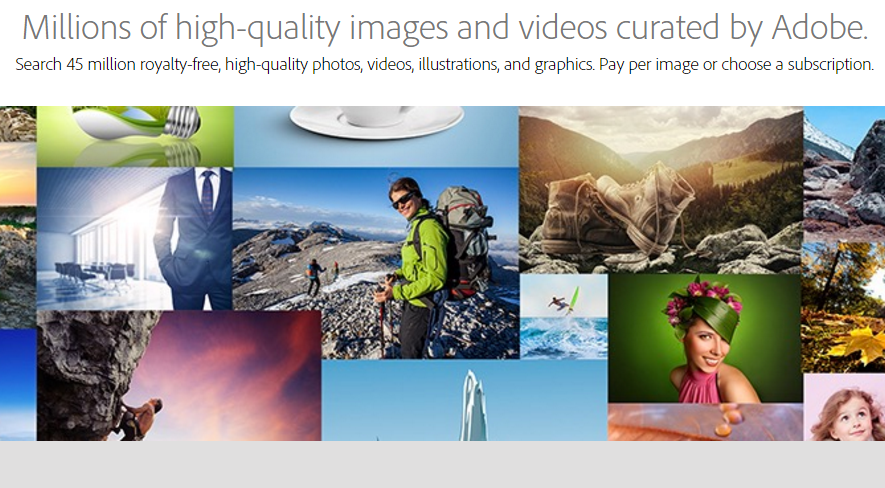
Adobe Stock is a stand-along stock photo website, meaning both members and non-members of Creative Cloud can sign up and access its vast stock asset collection. Starting with over 40 million images from Fotolia, it provided the creative community with high quality images at simple pricing. Now, the stock site has over 50 million stock assets, including images and videos. How can you license these amazing stock assets?

Adobe Stock photos can be purchased in two ways: a la carte and through subscriptions plans. Single image pricing starts from $9.99 each, while HD and 4K videos are valued from $79.99 each. All images and videos come with a standard royalty-free license that offers broad perpetual usage rights. If you are a Creative Cloud member, you can design comp images and license them after approval right inside your favorite editing software application. Look at this site.

You can also purchase Adobe Stock photos via subscription plans. There are the larger 350 and 750 image plans. Although they are annual plans, you pay for them monthly. For additional images, you can purchase them for only $0.99 each. If you are new to the stock site, we recommend the 10 images per month plan. Here are some of the best things about this plan:

  • You can rollover up to 120 of unused image downloads.
  • You can cancel your subscription anytime within the next month.
  • You get 10 free images or the first month for free.

Adobe stock also offers team and enterprise plans. If you are working with a group of people or running a business, you can check with the stock site and see which plans will work for your needs and budget.

You can purchase Adobe Stock photos with your credit card. The stock site accepts all major credits as payment method. If you are an existing Creative Cloud member, you will be charged using the regular payment system, including PayPal. Currently, only standard license is available. For extend license, you can check with Fotolia for multi-seat usage, unlimited reproductions and resale.

Filed Under: Adobe Stock Tagged With: Adobe, Stock Photos

Why Buy Stock Images for Commercial Use from Depositphotos

March 12, 2018 By Mike

Finding a stock site to that offers high quality stock images for commercial use can be challenging, especially if you don’t know where to look. There are a number of choices in the market, so why should you consider Depositphotos as your primary source?

Depositphotos is a well-established and reputable stock photo agency. As one of the leaders in the market, they have a wide offer on cheap stock photos, including options for extended license. Their image bank contains over 60 million high quality, royalty-free images, vectors and illustrations. You can buy them with image packs or subscription plans, whichever suits your creative needs and budget.

However, the Extended License is only available as one-demand packs. If you wish to purchase stock photos for commercial use, you can pay in advance and use your downloads whenever you want. A single image with an extended license is priced at $89. Depending on what pack you purchase, you can get images for as low as $64 each. Compared to other stock sites in the market, this is certainly a good deal!

What can you get with Depositphotos’ Extended License?
The stock site’s extended license includes all rights under the standard license, but it does not have limitations on copies, prints and displays. It also allows you to use the images on merchandise for resale. Here are the terms on using extended license images from Depositphotos:

  • Unlimited number of website visitors
  • Unlimited number of copies or impressions
  • Unlimited number of copies or displays for electronic use
  • Super high resolution on unmodified file for electronic use
  • Use on products for resale or free distribution where the image plays a minor role
  • Use on products for resale or free distribution where the image plays a major role

This means you can legally use the images for commercial use in websites, templates, wallpapers, software, emails, e-books, TV and other digital uses. You can also use them in printed copies such as magazines, newspapers, books and other printed advertising materials. You can also use them to create products for resale such as T-shirts, mugs, product packaging and others. Great use of stock images for commercial use.

The Extended License is a single seat license. This means it authorizes only one person to download and use the files. However, you are allowed to transfer derivative work containing the images to third parties for reproduction.

Depositphotos is one of the best stock photo agencies to purchase photos for commercial use. They have millions of high quality stock photos, royalty free images, vectors and illustrations at affordable prices. Their flexible plans allow you to download the images you need to complete your creative projects. You don’t have to break your bank to buy amazing photos and pictures. You can even extend your user rights at affordable prices buy getting an extended license.

Plus, the stock site offers free images, vectors, footage and editorial content. Updated every week, you get a chance to download various creative files for free! What are you waiting? Sign up to the stock site, choose a plan and start downloading royalty free images for commercial use.

Filed Under: Commercial Stock Tagged With: HD License, License Photo, stock images

Click Here for Better Deals than a Getty Images Coupon Code

July 2, 2016 By Mike

getty-images-logo-smallAre you looking for a Getty Images coupon code? Well, many creative professionals are looking for them as well. You can join the pack and keep looking or you can spend a few minutes of your time to learn about something better. One of the world’s best stock photo agencies is offering bloggers, web designers and businessmen to opportunity to be part of their elite family through Ultrapacks. These packs are a new way to purchase images on demand.

What are Ultrapacks? Here is a thorough introduction of Getty Images’ new offering. As mentioned above, Ultrapacks are a new way to purchase images on demand in Getty Images. They offer great discounts and benefits with no time limits. They cut 8% to 31% from original image prices and come with a custom license. They are considered to be better than a Getty Images coupon code for more reasons than one. Here are some of them:

  • They don’t expire. Unlike a Getty Images coupon code, Ultrapacks do not have expiration dates. You can choose images and download them whenever you need. Yes, your image downloads are valid forever. As long as you log on to your account at least once in every 12 months, you do not have to worry about expiration dates.
  • They are more convenient. You do not have to pre-select your images. You can just estimate the number of images you need and pay for them beforehand. How is that possible? Ultrapacks are available in packs of 5, 10, 15 and 25. Just choose whichever volume suits your needs and budget and worry about the images you will download later.
  • They come with great discounts and benefits. Like a Getty Images coupon code, Ultrapacks offer greats discounts and benefits. In fact, you can save as much as 31%, depending on the pack you purchase. The larger the pack and the high resolution images you purchase, the more discounts you can enjoy.
  • Images can be used for commercial and editorial purposes. Ultrapacks come with a custom license. Although the license applies some restrictions, they also offer bonus rights that are otherwise offered at a higher price in other stock sites. Creative royalty-free images include broad perpetual rights, while Editorial can be used for a period of 15 years – excluding print covers.

If you are looking for a Getty Images coupon code, you might want to cut the chase and purchase Ultrapacks instead. The stock photo site’s new offering includes discounts and benefits that are better than a coupon. So, what are you waiting for? Do not miss the chance to buy Creative royalty-free and Editorial images for a cheaper price with this offer. Save money licensing images from one of the most renowned stock photo websites in the market.

Filed Under: Getty Images Tagged With: Coupon Code, Getty Images Coupon Code, Getty images promo code

  • « Previous Page
  • 1
  • 2
  • 3
  • 4
  • Next Page »

Top Stock Photo Agencies

Mayweather vs McGregor

Recent Posts

  • Stock Photography for Recruitment Marketing Campaigns: A Strategic Guide to Attracting Top Talent
  • The Ultimate Guide to Choosing the Perfect Stock Photos for Your Projects
  • Ultimate Guide to Canva Images: Free & Premium Stock Photos, Graphics & Design Tools
  • How to Fix Red Eye on iPhone: Quick and Easy Solutions
  • Top 10 Places to Find Stock Photo Promo Codes | Save Big on Image Downloads

Social Media

  • Follow me on Twitter
  • Like us on Facebook

Copyright © 2026 » Cheryl jacobs Portraits » All Rights Reserved