• Home
  • About
  • Blog
  • Policy
  • Contact

Chery LJ Acob Portraits

Washington DC Photographer - Photographer's Edge

  • Home
  • About
  • Blog
  • Policy
  • Contact

Stock Photography for Recruitment Marketing Campaigns: A Strategic Guide to Attracting Top Talent

April 29, 2026 By Mike


In today’s competitive hiring landscape, recruitment marketing has evolved into a sophisticated blend of branding, storytelling, and visual communication. Stock photography plays a crucial role in shaping how potential candidates perceive your company. When used strategically, even Cheap Stock Images can elevate your employer brand and help you connect with the right talent.

The Role of Visual Content in Recruitment Marketing

Candidates often form their first impression of a company through its online presence—career pages, social media, and job listings. Visuals are processed faster than text, making stock photography a powerful tool for conveying company culture, diversity, and workplace environment.

High-quality images can communicate authenticity, professionalism, and inclusivity. Whether it’s showcasing collaboration, innovation, or employee satisfaction, the right visuals help humanize your brand and make your organization more relatable to job seekers.

Choosing the Right Stock Images

Not all stock photos are created equal. The key to effective recruitment marketing lies in selecting images that align with your company’s identity and values. Avoid overly staged or generic visuals that feel artificial. Instead, opt for images that reflect real-life scenarios and diverse teams.

When using Cheap Stock Images, prioritize quality over quantity. Look for platforms that offer high-resolution photos with modern aesthetics. Authenticity is more important than perfection—candidates are more likely to engage with visuals that feel genuine and approachable.

Aligning Images with Employer Branding

Your recruitment visuals should be consistent with your overall employer brand. This includes color schemes, tone, and messaging. For example, a tech startup might use vibrant, dynamic images to reflect innovation, while a corporate firm may prefer clean, professional visuals.

Consistency across all channels—LinkedIn, job boards, and your careers page—reinforces brand recognition. Stock photography should complement your messaging, not distract from it. When aligned properly, visuals can strengthen your brand narrative and make your company more memorable.

Enhancing Diversity and Inclusion

Modern candidates value diversity and inclusion in the workplace. Stock photography provides an opportunity to visually represent these values. Choose images that reflect a diverse workforce in terms of ethnicity, gender, age, and abilities.

However, authenticity is key. Avoid tokenism or forced representation. The goal is to create a realistic and welcoming image of your workplace. Thoughtfully selected visuals can signal to candidates that your company is inclusive and forward-thinking.

Optimizing for Digital Platforms

Different platforms require different image formats and styles. For example, social media posts benefit from eye-catching, high-contrast visuals, while career pages may require more subtle and informative imagery.

Ensure that your stock photos are optimized for web performance. Large file sizes can slow down page loading times, negatively impacting user experience. Compress images without sacrificing quality to maintain a balance between aesthetics and functionality.

Cost-Effective Strategies for Small Teams

Not every company has the budget for custom photography. This is where Cheap Stock Images become invaluable. Many affordable platforms offer extensive libraries that cater to various industries and themes.

To maximize value, create a curated library of reusable images that align with your brand. This approach saves time and ensures consistency across campaigns. Additionally, consider editing stock photos with your brand colors or overlays to make them more unique.

Final Thoughts

Stock photography is more than just a visual filler—it’s a strategic asset in recruitment marketing. When chosen carefully, even budget-friendly options can enhance your employer brand, attract qualified candidates, and improve engagement across digital channels.

By focusing on authenticity, consistency, and relevance, your recruitment campaigns can stand out in a crowded market and leave a lasting impression on potential hires.

Filed Under: Cheap Stock Photos

The Ultimate Guide to Choosing the Perfect Stock Photos for Your Projects

May 9, 2025 By Mike

In today’s visually driven world, stock photos have become a vital resource for creators, marketers, and businesses alike. Whether you’re designing a website, crafting a social media post, or preparing a presentation, the right image can make all the difference. I’ve found that using stock photos not only saves time but also elevates the overall quality of my projects.

However, navigating the vast sea of stock photo options can be overwhelming. With countless platforms and styles available, it’s essential to know how to choose the right images that resonate with your audience. In this article, I’ll share insights on selecting the perfect stock photos and tips to make the most of this invaluable tool.

Understanding Stock Photos

Stock photos play a crucial role in the visual content landscape. These images allow creators, marketers, and businesses to enhance their projects without the hassle of custom photography.

Definition of Stock Photos

Stock photos refer to professionally taken images that are available for licensing. Creators use these images for a range of purposes, including marketing materials, websites, and social media posts. Stock photos are typically organized into libraries, making it easy to find and purchase the right images. Licensing options vary, offering flexibility in use.

Types of Stock Photos

Different types of stock photos cater to varying needs. Below are some common categories:

  • Royalty-Free Stock Photos: These images can be purchased with a one-time fee, allowing multiple uses without additional charges.
  • Rights-Managed Stock Photos: These images require specific licensing agreements based on use, duration, and placement, allowing for tailored usage rights.
  • Creative Commons Stock Photos: These images are free to use, often requiring attribution to the creator. Usage rights vary depending on the specific license.
  • Editorial Stock Photos: These images depict real-life events or situations and are suitable for news and editorial content but may not be used for commercial purposes.

Choosing the right type of stock photos ensures alignment with project goals and legal compliance.

Benefits of Using Stock Photos

“Stock photos” provide distinct advantages for creators and businesses. These advantages significantly influence project quality and effectiveness.

Cost-Effectiveness

Cost-effectiveness stands out as a primary benefit of using stock photos. Purchasing unique images from photographers can incur high fees. In contrast, stock photos often come at a fraction of the price. Many platforms offer affordable subscription plans, allowing access to extensive libraries. This affordability enables me to allocate my budget more efficiently across various projects without sacrificing visual quality.

Time Efficiency

Time efficiency is another key benefit when utilizing stock photos. Finding the right image can take hours or even days when sourcing custom photography. Stock photo libraries allow quick searches through vast collections. With advanced filtering options, I can easily locate images that fit specific themes or concepts. This efficiency streamlines my workflow, enabling me to focus on content creation rather than image hunting.

Popular Stock Photo Websites

Numerous stock photo websites cater to various needs, making it easy to find the perfect images for projects. Here are some of the top options available:

Subscription-Based Platforms

Subscription-based platforms offer extensive libraries of stock photos for a periodic fee. These services generally provide high-quality images, flexibility, and unlimited downloads within the subscription period.

  1. Shutterstock – Offers millions of stock photos across diverse categories, with flexible subscription plans accommodating different usage needs.
  2. Adobe Stock – Integrates seamlessly with Adobe Creative Cloud apps, providing access to millions of high-quality stock photos along with various subscription options.
  3. iStock – A subsidiary of Getty Images, iStock features a vast collection of stock photos, available through credit packs or subscription, with competitive pricing.

Free Stock Photo Resources

Free stock photo resources allow access to high-quality images without any cost, supporting budget-conscious creators. Although these platforms may have fewer options than subscription sites, they still provide valuable resources.

  1. Unsplash – Offers a large collection of high-resolution stock photos contributed by photographers worldwide, suitable for both personal and commercial use under a generous license.
  2. Pexels – Provides a diverse assortment of free stock photos and videos, all licensed for personal and commercial projects without attribution required.
  3. Pixabay – Features over 1.7 million stock photos and videos available for free, allowing users to modify images without attribution, making it a versatile resource.

These websites serve as excellent sources for anyone seeking stock photos, whether for marketing materials, websites, or social media content.

Choosing the Right Stock Photos

Selecting the right stock photos involves evaluating quality and relevance, alongside understanding licensing considerations. Both aspects play crucial roles in ensuring effective visual content that resonates with the audience.

Assessing Quality and Relevance

Assessing quality starts with image clarity and resolution. High-resolution photos appear professional and engaging, crucial for marketing materials or websites. Evaluating relevance involves ensuring the image aligns with the project’s theme. Audiences connect more deeply with pictures that reflect their interests or needs. For instance, use images depicting real-life scenarios when promoting lifestyle products.

Licensing Considerations

Licensing considerations significantly impact the usage of stock photos. Different types of licenses determine how and where you can use an image. Royalty-free images offer flexibility and pay-once access, but always check specific terms like use in commercial projects. Rights-managed images come with restrictions based on usage type and duration. Creative Commons images may require attribution and vary in usage permissions. Understanding these distinctions ensures compliance and avoids legal issues when using stock photos.

Tips for Using Stock Photos Effectively

Using stock photos effectively enhances visual communication, aligning images with project goals and audience engagement. Here are practical tips to maximize their impact.

Customization and Editing

Customize stock photos to fit specific project needs. Adjust colors, contrast, and cropping for better alignment with your brand aesthetic. Adding text overlays or graphics can help convey messages clearly. When editing, maintain the integrity of the image to avoid diminishing its quality. Utilize tools like Adobe Photoshop or Canva for straightforward editing options. Customization often enhances visual storytelling, making the images more relevant to your audience.

Brand Consistency

Ensure stock photos reflect your brand’s style and tone. Consistency across visuals strengthens brand recognition and builds trust. Select images that align with your color palette and overall messaging. For example, if your brand emphasizes a minimalist approach, opt for stock photos that feature clean lines and simple compositions. Using a consistent imagery style creates a cohesive look throughout marketing materials, websites, and social media, enhancing the overall effectiveness of your messaging.

Conclusion

Stock photos are an invaluable resource in today’s image-centric world. They not only save time and money but also elevate the quality of my projects. With so many options available it’s crucial to choose wisely.

By understanding the different types of stock photos and their licensing requirements I can make informed decisions that align with my project goals. Customizing these images to fit my brand’s style enhances recognition and builds trust with my audience.

Embracing stock photos can truly streamline my creative process and help me communicate my message more effectively. So whether I’m creating marketing materials or social media content investing in the right stock photos is a step I won’t regret.


Filed Under: Stock Photo for Business

Ultimate Guide to Canva Images: Free & Premium Stock Photos, Graphics & Design Tools

April 24, 2025 By Mike

Looking to create stunning visuals without breaking the bank? Canva’s extensive image library might be just what you need. With millions of high-quality photos, illustrations, and graphics at your fingertips, you’ll find the perfect visual elements for your next project.

Whether you’re designing social media posts, presentations, or marketing materials, Canva Images offers both free and premium options to suit your needs. You’ll discover a vast collection of professionally curated content that’s easy to search, customize, and incorporate into your designs. Plus, with regular updates to their image library, you’ll always have access to fresh, trending visuals that keep your content relevant and engaging.

What Are Canva Images

Canva images comprise a digital library of over 100 million visual elements, including photographs, illustrations, icons, graphics, and vectors. These visual assets integrate seamlessly with Canva’s design platform for creating professional content across multiple formats.

Types of Images Available on Canva

  • Stock Photos: High-resolution photographs covering topics like business, nature, lifestyle, food, fashion, technology
  • Vector Graphics: Scalable illustrations, icons, logos, shapes, infographic elements
  • Illustrations: Hand-drawn artwork, digital art, cartoon characters, abstract designs
  • Backgrounds: Textured patterns, gradients, solid colors, abstract compositions
  • Transparent PNG Files: Images with no background for overlaying on other designs
  • Animated Graphics: GIFs, stickers, animated text elements for digital content

Image Quality and Resolution

Image Type Maximum Resolution File Format
Photos 4000×4000 px JPG, PNG
Vectors Unlimited scaling SVG, PNG
Illustrations 3000×3000 px PNG, JPG
  • Standard Resolution: Base images start at 300 DPI for print-quality output
  • Size Flexibility: Resize images without quality loss within platform limitations
  • Format Options: Download in JPG, PNG, PDF formats with premium subscription
  • Compression Quality: Optimized file sizes while maintaining visual clarity
  • Screen Compatibility: Images display correctly across desktop, mobile, tablet devices

Using Canva’s Image Library

Canva’s image library offers an intuitive interface for accessing millions of visual assets. The platform streamlines the image selection process through organized categories efficient search functions.

Free vs Premium Image Options

Canva provides two distinct image categories:

  • Free Images: Access 1+ million royalty-free photos illustrations icons for personal commercial projects
  • Premium Images: Unlock 100+ million exclusive high-quality visuals with Canva Pro subscription
  • One-time Purchase: Buy individual premium images for $1 each without subscription
  • Crown Icon: Identifies premium content within search results
  • Team Access: Share premium images across team members with Business plan
Image Type Free Version Pro Version
Stock Photos 1M+ 100M+
Templates 250,000+ 610,000+
Elements 100,000+ 200,000+

Image Search and Filtering Tools

  • Smart Search: Enter keywords descriptions or themes to find relevant images
  • Color Filter: Sort images by specific colors or color schemes
  • Type Filter: Filter by photos illustrations vectors or animations
  • Orientation: Choose between landscape portrait square formats
  • Style Categories: Browse curated collections for specific themes industries
  • Recently Used: Quick access to previously selected images
  • Favorites: Save preferred images for future projects

Customizing Images in Canva

Canva’s image customization tools transform basic photos into professional visuals with just a few clicks. The platform offers intuitive editing features that enhance image quality while maintaining the original resolution.

Basic Image Editing Features

  • Crop images to specific dimensions using preset ratios or custom measurements
  • Adjust brightness contrast saturation to enhance image appearance
  • Rotate flip images in any direction for ideal composition
  • Control transparency levels for layered design elements
  • Resize images while maintaining aspect ratio
  • Add frames borders with customizable colors thicknesses
  • Position elements precisely with alignment guides grid system

Adding Effects and Filters

  • Apply 20+ photo effects including Duotone Pixelate Liquify
  • Choose from 30+ preset filters ranging from Vintage to Modern
  • Customize filter intensity with sliding scale controls
  • Add blur vignette effects to create depth focus
  • Create color overlays with adjustable opacity
  • Apply textures like Film Grain Noise Halftone
  • Use Background Remover to isolate subjects from images
  • Implement Smart Mockups to display designs in realistic settings
Feature Category Number of Options Pro-Exclusive
Photo Effects 20+ 12 effects
Preset Filters 30+ 15 filters
Frame Styles 25+ 10 styles
Background Effects 15+ 8 effects

Image Licensing and Usage Rights

Canva offers distinct licensing terms for its image library to ensure legal compliance and proper usage across different contexts. Understanding these rights helps you utilize Canva images effectively while respecting copyright regulations.

Commercial vs Personal Use

Free Canva images include a royalty-free license for both personal and commercial projects. Pro subscribers gain access to Premium images with expanded commercial rights, including:

  • Business marketing materials
  • Social media content
  • Digital advertising campaigns
  • Print-on-demand products
  • Website designs
  • Educational materials

Attribution Requirements

  • Free Media License images require no attribution
  • One-time purchase elements ($1) need no credit
  • Pro subscription images come with full usage rights
  • Third-party stock photos may require attribution based on:
  • Image source
  • License type
  • Commercial usage
  • Platform requirements
License Type Attribution Required Commercial Use Allowed
Free Media No Yes
Pro Content No Yes
One-Time Purchase No Yes
Third-Party Stock Varies Varies

Best Practices for Canva Images

Creating professional visuals in Canva requires attention to sizing specifications technical expertise. Follow these guidelines to maximize the impact of your Canva images across different platforms.

Image Sizing Guidelines

  • Set social media images to platform-specific dimensions:
  • Instagram posts: 1080 x 1080 pixels
  • Facebook posts: 1200 x 630 pixels
  • Twitter images: 1600 x 900 pixels
  • LinkedIn posts: 1200 x 627 pixels
  • Export considerations:
  • Save images at 300 DPI for print materials
  • Use 72 DPI for digital content
  • Maintain aspect ratios when resizing
  • Export in PNG format for transparent backgrounds
  • Choose JPEG for photographs with smaller file sizes

Design Tips for Professional Results

  • Composition elements:
  • Apply the rule of thirds grid overlay
  • Maintain consistent spacing between elements
  • Limit font combinations to 2-3 typefaces
  • Create visual hierarchy through size contrast
  • Enhancement techniques:
  • Adjust brightness before applying filters
  • Use color overlays at 10-30% opacity
  • Group related elements for organized layouts
  • Apply shadows at 20-40% opacity for depth
  • Match image styles within the same project
  • Brand consistency:
  • Save brand colors in your palette
  • Create templates with preset dimensions
  • Store logos in transparent PNG format
  • Maintain consistent filter settings
  •  

Conclusion

Canva’s image library stands as a powerful resource that puts professional-level design capabilities at your fingertips. With its extensive collection of customizable visuals rich editing features and user-friendly interface you’ll find everything needed to create stunning designs for any project.

Whether you’re using the free version or Canva Pro you’ll benefit from clear licensing terms strong search functionality and robust customization tools. The platform’s commitment to quality and regular updates ensures you’ll always have fresh relevant content to work with.

Remember to follow platform-specific guidelines and best practices when creating your designs to achieve the most impactful results across all your visual projects.


Filed Under: Canva, Commercial Stock

How to Fix Red Eye on iPhone: Quick and Easy Solutions

October 31, 2024 By Mike

Have you ever taken a great photo only to find your subject’s eyes glowing an eerie red? Red-eye is a common issue in flash photography, especially in low-light conditions. It occurs when light reflects off the blood vessels in the back of the eye, causing the iris to appear red in the image.

Fortunately, if you’re an iPhone user, you’ve got built-in tools to tackle this problem. Many iPhone models come equipped with a red-eye correction feature that lets you quickly fix those demonic-looking eyes with just a few taps. Whether you’re using a newer or older iPhone model, there are several ways to address red-eye and restore your photos to their intended glory.

Key Takeaways


Understanding Red Eye in iPhone Photos

Red eye is a common issue in flash photography, particularly when using an iPhone in low-light conditions. Understanding the cause and importance of fixing red eye can help you improve your iPhone photos significantly.

What Causes Red Eye Effect?

The red eye effect occurs when your iPhone’s flash reflects off the blood vessels in the retina of the subject’s eyes. This reflection causes the pupils to appear red in the resulting photo. Several factors contribute to red eye:

  • Low ambient light: Darker environments cause pupils to dilate, increasing the likelihood of red eye
  • Flash proximity to the lens: iPhone cameras have the flash close to the lens, making red eye more common
  • Subject’s eye color: People with lighter-colored eyes are more susceptible to red eye
  • Direct gaze: Subjects looking directly at the camera are more likely to show red eye

Why It’s Important to Fix Red Eye

Fixing red eye on your iPhone photos is crucial for several reasons:

  1. Improved photo quality: Red eye can detract from an otherwise great photo
  2. Natural appearance: Correcting red eye restores the subject’s natural eye color
  3. Professional look: Red eye-free photos appear more polished and professional
  4. Emotional impact: Eyes are a focal point in portraits, and red eye can diminish the emotional connection with the subject
  5. Sharing-ready images: Fixed photos are more suitable for sharing on social media or printing

Understanding these aspects of red eye in iPhone photos is the first step in learning how to fix red eye on iPhone. With this knowledge, you can better appreciate the importance of addressing this common photography issue and improve your overall photo quality.

Using the Built-in Red Eye Removal Tool

Your iPhone comes equipped with a built-in red eye removal tool, making it easy to fix those pesky red-eye issues directly on your device. Here’s how to use this feature effectively to improve your photos.

Locating the Red Eye Tool in iOS

To find the red eye removal tool on your iPhone, follow these steps:

  1. Open the Photos app on your iPhone.
  2. Select the image with red eye that you want to edit.
  3. Tap the “Edit” button in the top-right corner of the screen.
  4. Look for the eye icon with a slash through it in the top-left corner of the editing interface.
  5. If you don’t see this icon, your iPhone model may not have the built-in red eye correction tool.

Step-by-Step Guide to Fixing Red Eye

Once you’ve located the red eye tool, here’s how to fix red eye on iPhone:

  1. Tap the red eye correction icon to activate the tool.
  2. Zoom in on the photo for better accuracy if needed.
  3. Tap directly on each red eye in the image. The tool will automatically detect and correct the red eye.
  4. If the automatic correction isn’t satisfactory, you can manually adjust by tapping on the eye again.
  5. Continue this process for all red eyes in the photo.
  6. Once you’re satisfied with the results, tap “Done” to save your changes.
  7. If you’re not happy with the edits, tap “Cancel” and start over.

Remember, the built-in tool works best for minor red-eye issues. For more severe cases or additional editing options, you might need to consider third-party photo editing apps available on the App Store.

Alternative Methods to Fix Red Eye on iPhone

While the built-in red-eye removal tool on iPhone is useful, there are other effective methods to address this common photography issue. Here’s how you can fix red eye on iPhone using alternative approaches.

Using Photo Editing Apps

Third-party photo editing apps offer advanced tools for red-eye correction. Here’s how to use them:

  1. Download a reputable photo editing app like Adobe Photoshop Express or Snapseed from the App Store.
  2. Open the app and import the photo with red eye.
  3. Look for the red-eye correction tool, usually found in the “Retouch” or “Tools” section.
  4. Use the app’s precision tools to target and correct red eyes.
  5. Adjust the correction intensity for a natural look.
  6. Save your edited photo.

These apps often provide more control and options for fixing red eye compared to the built-in iPhone tool.

Adjusting Camera Settings to Prevent Red Eye

Prevention is better than cure when it comes to red eye. Here’s how to adjust your iPhone camera settings:

  1. Enable the Red Eye Reduction feature in your iPhone camera settings.
  2. Use Portrait mode when possible, as it often reduces red eye occurrence.
  3. Increase ambient lighting to reduce the need for flash.
  4. If using flash, ask subjects to look slightly away from the camera.
  5. Use the iPhone’s Night mode for low-light situations instead of flash.
  6. Experiment with different angles to minimize direct light reflection in the eyes.

By adjusting these settings, you can significantly reduce the chances of red eye appearing in your photos, minimizing the need for post-processing fixes.

Remember, the key to fixing red eye on iPhone is a combination of prevention and effective editing techniques. With these alternative methods, you’ll be well-equipped to handle red eye issues in your iPhone photography.

Tips for Avoiding Red Eye in Future Photos

Preventing red eye is often easier than fixing it later. Here are some effective techniques to minimize the occurrence of red eye in your iPhone photos.

Proper Lighting Techniques

Adequate lighting is crucial for avoiding red eye. Increase ambient light by turning on room lights or using additional light sources. This reduces the need for flash, which is a primary cause of red eye. When using flash is unavoidable, enable your iPhone’s built-in red-eye reduction feature. This setting triggers a pre-flash, causing the subject’s pupils to contract before the main flash fires, minimizing the red-eye effect.

Positioning and Angle Considerations

How you position your subjects and angle your iPhone can significantly reduce red eye. Ask your subjects to look slightly away from the camera lens, as direct eye contact increases the likelihood of red eye. Position your subjects at an angle to the camera, rather than straight on. This reduces the amount of light reflecting directly back into the lens. If possible, move your subjects away from walls to prevent the flash from bouncing back into their eyes.

When taking group photos, arrange people at different distances from the camera. This creates depth and reduces the chances of everyone’s eyes reflecting the flash simultaneously. Remember, understanding these techniques is key when considering how do you fix red eye on iPhone, as prevention is often the best cure.

Troubleshooting Common Red Eye Issues

Even with built-in tools and preventive measures, you might encounter stubborn red-eye cases that require additional troubleshooting. Here’s how to handle challenging red-eye issues and when to consider professional help.

Dealing with Stubborn Red Eye Cases

When the built-in red-eye removal tool on your iPhone doesn’t fully resolve the issue, try these advanced techniques:

  • Adjust contrast and brightness: Increase contrast slightly to make the red-eye effect less noticeable.
  • Use selective color adjustment: Target the red channel to reduce the intensity of the red-eye effect.
  • Apply a layer mask: Create a mask to isolate the affected area for more precise editing.
  • Experiment with blending modes: Try different blending modes to minimize the appearance of red-eye.

If these methods don’t work, consider using more powerful third-party apps with advanced red-eye correction tools.

When to Seek Professional Help

In some cases, you might need to consult a professional photo editor:

  • Extreme red-eye: When the effect covers a large portion of the eye or appears unnaturally bright.
  • Complex lighting situations: If the photo has multiple light sources or unusual color casts.
  • Important photos: For significant events or professional uses where quality is crucial.
  • Limited time or expertise: If you lack the time or skills to effectively edit the photo yourself.

Professional editors have access to advanced tools and techniques to fix even the most stubborn red-eye issues, ensuring your photos look their best.

Conclusion

Red-eye on iPhone photos is a common issue but it’s easily fixable. With built-in tools and third-party apps you have multiple options to correct this problem. Remember that prevention is key so adjust your camera settings and lighting when possible. For stubborn cases advanced editing techniques or professional help might be necessary. By following the tips and methods outlined you’ll be able to enhance your photos and preserve those precious moments without the distraction of red eyes.


Filed Under: Cheap Stock Photos, Commercial Stock, Stock Photo for Business

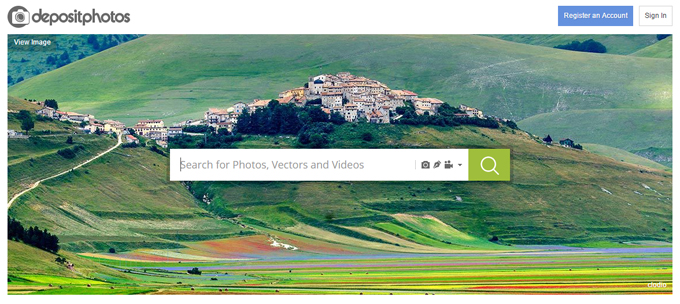
Why Buy Stock Images for Commercial Use from Depositphotos

March 12, 2018 By Mike

Finding a stock site to that offers high quality stock images for commercial use can be challenging, especially if you don’t know where to look. There are a number of choices in the market, so why should you consider Depositphotos as your primary source?

Depositphotos is a well-established and reputable stock photo agency. As one of the leaders in the market, they have a wide offer on cheap stock photos, including options for extended license. Their image bank contains over 60 million high quality, royalty-free images, vectors and illustrations. You can buy them with image packs or subscription plans, whichever suits your creative needs and budget.

However, the Extended License is only available as one-demand packs. If you wish to purchase stock photos for commercial use, you can pay in advance and use your downloads whenever you want. A single image with an extended license is priced at $89. Depending on what pack you purchase, you can get images for as low as $64 each. Compared to other stock sites in the market, this is certainly a good deal!

What can you get with Depositphotos’ Extended License?
The stock site’s extended license includes all rights under the standard license, but it does not have limitations on copies, prints and displays. It also allows you to use the images on merchandise for resale. Here are the terms on using extended license images from Depositphotos:

  • Unlimited number of website visitors
  • Unlimited number of copies or impressions
  • Unlimited number of copies or displays for electronic use
  • Super high resolution on unmodified file for electronic use
  • Use on products for resale or free distribution where the image plays a minor role
  • Use on products for resale or free distribution where the image plays a major role

This means you can legally use the images for commercial use in websites, templates, wallpapers, software, emails, e-books, TV and other digital uses. You can also use them in printed copies such as magazines, newspapers, books and other printed advertising materials. You can also use them to create products for resale such as T-shirts, mugs, product packaging and others. Great use of stock images for commercial use.

The Extended License is a single seat license. This means it authorizes only one person to download and use the files. However, you are allowed to transfer derivative work containing the images to third parties for reproduction.

Depositphotos is one of the best stock photo agencies to purchase photos for commercial use. They have millions of high quality stock photos, royalty free images, vectors and illustrations at affordable prices. Their flexible plans allow you to download the images you need to complete your creative projects. You don’t have to break your bank to buy amazing photos and pictures. You can even extend your user rights at affordable prices buy getting an extended license.

Plus, the stock site offers free images, vectors, footage and editorial content. Updated every week, you get a chance to download various creative files for free! What are you waiting? Sign up to the stock site, choose a plan and start downloading royalty free images for commercial use.

Filed Under: Commercial Stock Tagged With: HD License, License Photo, stock images

  • 1
  • 2
  • 3
  • Next Page »

Top Stock Photo Agencies

Mayweather vs McGregor

Recent Posts

  • Stock Photography for Recruitment Marketing Campaigns: A Strategic Guide to Attracting Top Talent
  • The Ultimate Guide to Choosing the Perfect Stock Photos for Your Projects
  • Ultimate Guide to Canva Images: Free & Premium Stock Photos, Graphics & Design Tools
  • How to Fix Red Eye on iPhone: Quick and Easy Solutions
  • Top 10 Places to Find Stock Photo Promo Codes | Save Big on Image Downloads

Social Media

  • Follow me on Twitter
  • Like us on Facebook

Copyright © 2026 » Cheryl jacobs Portraits » All Rights Reserved